Embarking on a New Chapter
Stepping out of my comfort zone and into an entirely new healthcare environment for my clinical exchange was easily one of the most transformative experiences of my professional life. Honestly, when I first heard about the opportunity, I felt a mix of excitement and apprehension. You know how it is; the idea of learning something completely different is thrilling, but then the reality of navigating an unfamiliar system, new colleagues, and perhaps even a different language sinks in. It’s a lot to process! Still, I knew deep down that this was an essential step for my growth, both as a clinician and as a person. I mean, how else do we truly broaden our perspectives if we don't actively seek out diverse experiences?
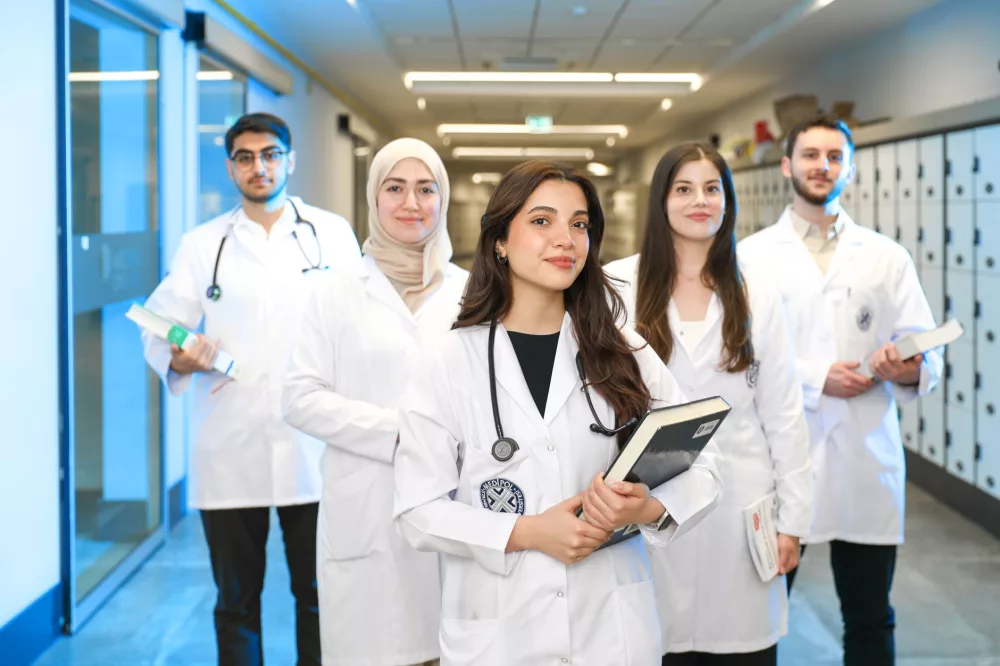
My clinical exchange took me across borders to a bustling urban hospital, a stark contrast in some ways to what I was accustomed to. The goal wasn't just to observe; it was to immerse myself fully, to participate, and to understand the nuances of patient care in a different cultural and medical context. I really wanted to see how various challenges were approached, what innovations they embraced, and how their patient-doctor dynamics played out. It was a chance to collect new insights, to refine my existing skills, and frankly, to challenge some of my preconceived notions about healthcare.
The Initial Immersion: Culture, Systems, and Subtle Differences
Right from day one, the differences were palpable. The hospital itself, while modern, had a distinct energy. It wasn't just the architecture; it was the rhythm of the place, the way staff communicated, even the flow of patients through the wards. For example, their approach to patient handovers was incredibly detailed, sometimes taking longer than what I was used to, but it ensured an unparalleled level of continuity. I quickly realized that what might seem inefficient at first glance often had a deeply practical and patient-centered rationale behind it. It's a real lesson in not judging too quickly, isn't it?
One of the most immediate things I noticed was the emphasis on a more holistic patient assessment, often incorporating traditional practices alongside Western medicine. This blending wasn't something I’d seen much of back home, and it really opened my eyes to different ways of thinking about health and well-being. Patients often brought their families, not just as visitors, but as active participants in care discussions, which fostered an incredible sense of community around the healing process. That strong family involvement? It definitely changed my perspective on the role of social support in recovery.
Navigating Clinical Practice: What I Learned on the Wards
Working alongside the local medical teams was an education in itself. Their diagnostic reasoning, while grounded in the same scientific principles, often adapted to available resources and specific population health needs. I got to observe and participate in a wide array of cases, from complex infectious diseases rarely seen in my home country to routine chronic illness management handled with surprising ingenuity. For instance, I remember a particular case involving a rare tropical disease where the lead physician used a combination of limited lab resources and keen clinical observation to make a diagnosis that would've been challenging even with advanced technology elsewhere. It was absolutely brilliant.
I also spent time in their emergency department, which was a whirlwind of activity. The sheer volume of patients and the way the team prioritized and managed critically ill individuals with sometimes constrained resources was inspiring. They had this incredible ability to make quick, impactful decisions under immense pressure. What really struck me was their calm demeanor amidst the chaos; it's a skill I'm still trying to master myself!
- Adapting to Resource Constraints: I saw firsthand how innovative solutions were crafted when high-tech equipment wasn't readily available. This made me appreciate the importance of sound clinical judgment over reliance on machines.
- Interprofessional Collaboration: The nurses, allied health professionals, and doctors worked together seamlessly. Everyone's input was genuinely valued, creating a truly patient-centric environment.
- Patient Education: There was a strong focus on empowering patients and their families through clear, understandable education, often using visual aids and interpreters to bridge communication gaps effectively.
Personal Growth and Professional Evolution
This exchange wasn't just about accumulating medical knowledge; it was about shaping who I am as a clinician. Living and working in a new environment pushed me to become more adaptable, resilient, and open-minded. I learned to communicate more effectively, especially when language barriers were present, relying more on non-verbal cues and empathetic listening. My problem-solving skills definitely got a workout too, as I was constantly encountering new scenarios that required quick thinking and creative solutions.
I think the biggest takeaway for me personally was the profound sense of shared humanity that permeated the entire experience. Despite all the differences—the culture, the language, the healthcare system—the core human experience of illness, hope, and healing remains universal. Patients everywhere want to be heard, to be cared for, and to have their dignity respected. That's a powerful lesson to carry forward into any medical career.
Reflecting on Global Healthcare
My clinical exchange certainly highlighted the disparities in global healthcare, but also the immense dedication and innovation happening worldwide. It showed me that there isn't one 'right' way to practice medicine. Different contexts necessitate different approaches, and each approach has its own strengths and weaknesses. Understanding these variations has made me a more globally aware healthcare provider, someone who can appreciate the complexities of medical care beyond my immediate environment.
It also reinforced my belief in the importance of international collaboration and the sharing of best practices. We all have something valuable to learn from each other. Imagine the progress we could make if every healthcare professional had the chance to experience another system's strengths!
Looking Ahead: Applying What I've Learned
Coming back from the exchange, I feel invigorated and armed with a renewed sense of purpose. I’m already applying many of the lessons learned, from incorporating more holistic considerations into my patient assessments to actively seeking diverse perspectives within my own team. I'm also much more conscious of resource utilization and finding innovative solutions within existing frameworks. This experience has deepened my commitment to patient advocacy and fostering a truly compassionate approach to care.
For anyone considering a clinical exchange, I can't recommend it enough. It's a challenging, sometimes uncomfortable, but ultimately incredibly rewarding journey. Be prepared to be flexible, to ask questions, and to embrace the unknown. You'll come back a different, better clinician, and probably a better person too. It's an investment in yourself that pays dividends for your entire career, and honestly, for your patients.