Have you ever considered diving into the world of art? Perhaps you’ve scrolled through beautiful paintings online, marveled at intricate sculptures, or felt a quiet yearning to express something visually. For many, the idea of creating art can seem daunting, a skill reserved for a select few. But what I’ve learned, time and time again, is that art isn't just for the 'talented.' It's a fundamental human impulse, and art classes are your gateway to exploring it, regardless of your background or perceived ability. It’s a wonderful journey, truly.
Why Enroll in an Art Class? More Than Just Learning to Draw
When people think about art classes, they often picture themselves learning how to perfectly render a still life or master a specific technique. While skill acquisition is certainly a core component, I believe the benefits extend so much further than that. Think about it: when was the last time you truly focused, unplugged, and engaged in an activity purely for the joy of creation?
- Cultivating Creativity: This might seem obvious, but art classes actively nurture your creative muscle. You're challenged to see the world differently, to experiment, and to solve visual problems. It’s like a gym for your imagination!
- Stress Reduction & Mindfulness: I’ve found that the act of creating art can be incredibly meditative. It draws you into the present moment, allowing you to forget about daily anxieties. It’s a fantastic way to unwind after a long week.
- Developing Problem-Solving Skills: How do you depict light on a crumpled piece of fabric? What colors will create depth in a landscape? These aren't just artistic questions; they're exercises in critical thinking and innovation.
- Building Confidence: Seeing your own progress, however small, can be incredibly empowering. Finishing a piece, even if it's not perfect, gives you a real sense of accomplishment. You'll surprise yourself with what you can do.
- Forming a Community: Art classes often bring together like-minded individuals. You’ll meet new people, share ideas, and sometimes even form lasting friendships. It's a supportive environment where everyone's learning together.
- Enhancing Observation Skills: You start noticing the subtle shifts in color, the play of shadows, the unique textures of everyday objects. Your perception of the world around you actually changes.
A Spectrum of Artistic Disciplines: What Can You Learn?
The beauty of art education is its sheer diversity. There's almost certainly a medium out there that will speak to you, a style that resonates with your personal expression. Here's a look at some popular avenues you might consider:
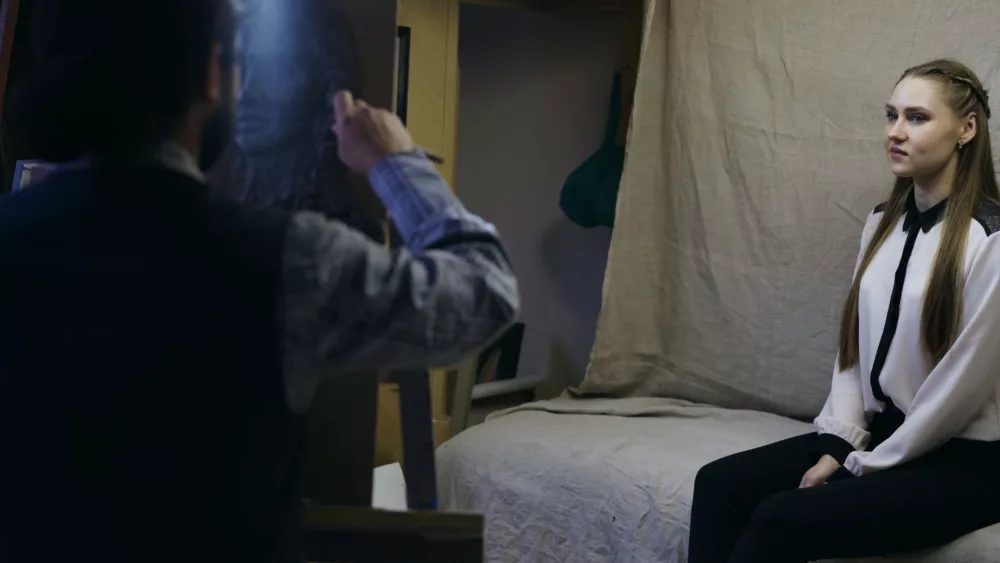
- Drawing Classes: This is often the foundational step, and for good reason. You might learn about perspective, shading, contour drawing, figure drawing, or still life. Materials typically include graphite, charcoal, pastels, and ink. I always recommend starting here if you're completely new; it builds a strong base.
- Painting Classes: Oh, the glorious world of color! You'll find classes specializing in:
- Oil Painting: Known for its rich colors, blendability, and slow drying time, allowing for extensive manipulation.
- Acrylic Painting: Fast-drying, versatile, and excellent for bold colors or mixed media work. It's often a good choice for beginners due to its forgiving nature.
- Watercolor Painting: Transparent, delicate, and capable of creating stunning washes and subtle effects. It requires a different approach to layering and control.
- Sculpture & Ceramics: If you enjoy working in three dimensions, these might be for you. You could be molding clay, carving wood, or even experimenting with found objects. The tactile experience here is really satisfying.
- Digital Art & Graphic Design: In our modern age, digital tools are incredibly powerful. Classes might cover software like Adobe Photoshop, Illustrator, or Procreate, teaching concepts like digital painting, illustration, or layout design. It's a completely different canvas!
- Photography: This isn't just about snapping pictures. Photography classes teach composition, lighting, editing, and how to tell a story through images. You'll learn to truly 'see' a scene before you even press the shutter.
- Mixed Media & Collage: For those who love to experiment and combine different materials – paint, paper, fabric, found objects – mixed media classes offer boundless creative freedom.
Choosing the Right Art Class: What Should You Look For?
With so many options, how do you pick the class that’s best for you? From my perspective, it really comes down to a few key considerations.
- Your Interests & Goals: Are you hoping to relax, improve a specific skill, or build a portfolio? Knowing what you want to achieve will narrow down your choices considerably. Don't sign up for advanced oil painting if you just want to sketch for fun.
- Instructor's Style & Experience: A good instructor is paramount. Look for someone who is knowledgeable, encouraging, and provides constructive feedback. Can you view their work? Do they have a teaching philosophy that aligns with yours? Sometimes, just a quick chat with them can tell you a lot.
- Class Size & Structure: Smaller classes often mean more one-on-one attention, which can be beneficial for beginners. Some classes are project-based, while others focus on technique exercises.
- Location & Schedule: Convenience matters. An online class might suit a busy schedule, while an in-person class offers direct interaction and access to studio equipment. Make sure it fits your life.
- Cost & Materials: Art supplies can add up, so factor that into your budget. Some classes include basic materials, while others require you to purchase everything separately. Don't be afraid to ask for a supply list upfront.
- Skill Level: Be honest with yourself. Are you a complete beginner, an intermediate looking to refine skills, or an advanced artist seeking new challenges? Enroll in a class appropriate for your current level.
What to Expect on Your First Day (and Beyond)
So, you’ve signed up! Now what? Your first day in an art class might feel a little nerve-wracking, but I promise it's usually a very welcoming atmosphere. You’ll likely start with introductions, a discussion of the course outline, and perhaps a simple warm-up exercise. Don't expect to create a masterpiece immediately. The learning process is gradual, full of experimentation and discovery.
You'll receive demonstrations from your instructor, engage in hands-on practice, and get feedback on your work. Critiques, when done constructively, are incredibly valuable. They aren't there to judge you but to help you see your work with fresh eyes and identify areas for improvement. Embracing feedback is a crucial part of growth. Remember, art isn't about perfection; it's about expression and the journey of making.
Finding Your Perfect Art Class
Where do you look? The options are plentiful!
- Local Art Studios & Galleries: Many independent studios offer classes for various skill levels. Check out their websites or stop by to see their space.
- Community Centers & Colleges: Often have a wide range of affordable art programs for adults and children.
- Online Platforms: Websites like Skillshare, Domestika, and local art school online portals provide incredible flexibility. You can learn from artists all over the world right from your living room.
- Museums: Some museums offer workshops and classes inspired by their collections. What a fantastic way to combine learning with inspiration!
In closing, I truly believe that engaging with art, whether through formal classes or personal exploration, enriches our lives in profound ways. It's not just about creating beautiful objects; it's about cultivating a richer internal world, connecting with others, and understanding ourselves a little better. So, if you've been contemplating it, I encourage you to take that step. Sign up for an art class. You might just discover a passion you never knew you had.