When I first encountered the name Karma, I admit, my curiosity was instantly piqued. It wasn't just another car; it was a narrative, a story of ambition, setbacks, and unwavering perseverance in the high-stakes world of luxury electric vehicles. From its intriguing origins as Fisker Automotive to its reincarnation as Karma Automotive, this brand has carved out a unique, if sometimes challenging, path. I want to share with you what I've learned about this fascinating company and its vehicles.
For many of us, the journey of the Karma car truly began with the Fisker Karma. Designed by the legendary Henrik Fisker, this car was a vision of sustainable luxury back in the early 2010s, a time when electric vehicles, especially luxury ones, were still largely conceptual for most consumers. It was a range-extended electric vehicle, meaning it had both an electric powertrain and a small gasoline engine that acted as a generator, not directly driving the wheels. I remember being struck by its striking design, a sleek, low-slung silhouette that seemed to glide even when stationary. It was undeniably beautiful, pushing boundaries aesthetically and technologically for its time. It showcased what was possible, offering an impressive all-electric range before switching to generator power for longer journeys. However, like many pioneering ventures, Fisker Automotive faced significant hurdles, including battery supply issues and financial difficulties, eventually leading to its bankruptcy.
The Rebirth: Karma Automotive and the Revero
But the story doesn't end there, which I think is pretty cool. In 2014, China's Wanxiang Group acquired Fisker Automotive's assets, and from the ashes rose Karma Automotive. This acquisition marked a new chapter, a chance to refine the original vision and bring it back stronger. The first car to emerge from this rebirth was the Karma Revero, essentially an updated and improved version of the original Fisker Karma. What Karma Automotive aimed for was a refined, hand-built luxury vehicle that addressed many of the original car's shortcomings while maintaining its captivating design. They really focused on enhancing the user experience, improving the electrical architecture, and ensuring reliability. The Revero, for me, represents a commitment to the original idea but with a more mature, focused execution.
My impression is that Karma has always emphasized a very specific blend of elements:
- Exquisite Design: The Revero and its successors retain that unmistakable, elegant exterior.
- Sustainable Luxury: High-quality, ethically sourced materials are a core part of their philosophy.
- Advanced Technology: Integrating cutting-edge electric powertrains and infotainment.
Design Philosophy and Craftsmanship
Let's talk about the design for a moment. If you've ever seen a Karma car, you'd know it stands out. It's got this long hood, a sweeping roofline, and short overhangs that give it an athletic, yet incredibly elegant stance. The front grille, a signature element, often features a solar roof on some models – a truly innovative touch that helps charge the 12V battery and even provides a bit of extra range. Inside, the story continues with an emphasis on natural, sustainable materials. I've heard they use reclaimed wood, responsibly sourced leather, and even upcycled fishing nets for certain interior components. It's not just about looking good; it's about feeling good about the choices made to build the car, which I find genuinely admirable.
Performance and Powertrain Evolution
Underneath that gorgeous exterior, the Karma Revero GT (and subsequent models like the GS-6) features a refined series-hybrid powertrain. This means the electric motors are always driving the wheels. The gasoline engine is there to generate electricity, extending the range significantly once the battery is depleted. For example, the Revero GT uses a BMW-sourced 1.5-liter three-cylinder engine as a range extender, paired with dual electric motors producing a combined output that delivers impressive acceleration and a smooth, quiet ride in electric mode. I find this approach quite practical, offering the best of both worlds: zero-emission driving for daily commutes and the peace of mind of a gasoline generator for longer trips, eliminating range anxiety.
Battery and Charging Capabilities
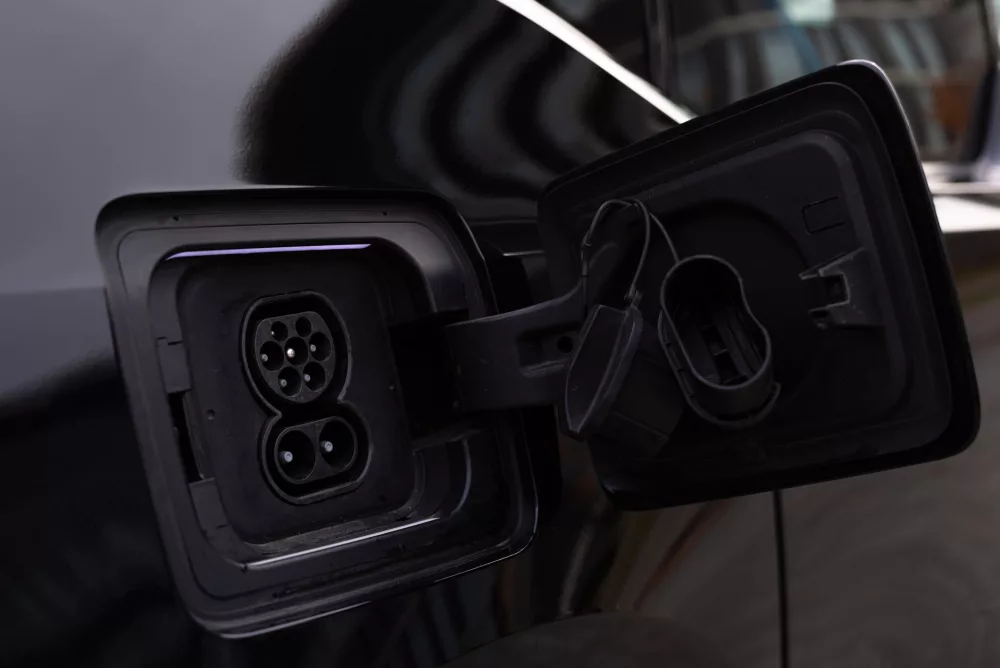
With an all-electric range that typically hovers around 60-80 miles (depending on the model and driving conditions), Karma cars are perfect for most daily commutes. But when you need to go further, that range extender kicks in, pushing the total range to over 300 miles. Charging is also straightforward, with both Level 2 AC and DC fast charging options available. This flexibility is a huge selling point, in my opinion, making the transition to an electric vehicle much less daunting for many drivers.
The Future is Electric: GS-6 and GSe-6
Karma Automotive isn't resting on its laurels; they're constantly pushing forward. They introduced the GS-6, which is a more accessible version of the Revero GT, offering similar performance and luxury but at a slightly lower price point. What's even more exciting is the introduction of the GSe-6, their first pure battery-electric vehicle. This marks a significant step, signaling Karma's full commitment to an all-electric future. I think this move is crucial for them to stay competitive and relevant in an increasingly electrified automotive landscape. The GSe-6 promises even better performance, longer range, and, of course, zero tailpipe emissions, which is something I'm very excited about.
They're also exploring other innovative concepts, like autonomous driving technologies and advanced connectivity features. Their vision is clearly centered on being a technology-driven luxury mobility company, not just a car manufacturer. They’re looking at what the future of transportation will really look like, and I appreciate that forward-thinking approach.
Market Position and Challenges
It's important to acknowledge that Karma operates in a very competitive and niche market. Competing with established luxury brands like Porsche, Tesla, and Mercedes-Benz, particularly in the electric segment, isn't easy. They've faced challenges in terms of brand recognition and scaling production. However, their strategy seems to focus on exclusivity, bespoke craftsmanship, and a highly personalized ownership experience. I often see them as offering a truly unique alternative for buyers who want something distinctive, something that stands apart from the mass-produced luxury electric vehicles. For those who value hand-built quality and an unconventional approach to electrification, Karma definitely offers a compelling choice.
In my view, the Karma story is one of resilience and a consistent dedication to a singular vision: creating beautiful, sustainable, and technologically advanced luxury vehicles. They may not be the biggest player, but their impact on the luxury EV landscape is undeniable. They remind us that innovation often comes from unexpected places and that true luxury isn't just about features, but about the thought, care, and vision behind the product. I'm personally looking forward to seeing how they continue to evolve and what incredible vehicles they'll bring to us next. It's a journey worth watching, for sure.